
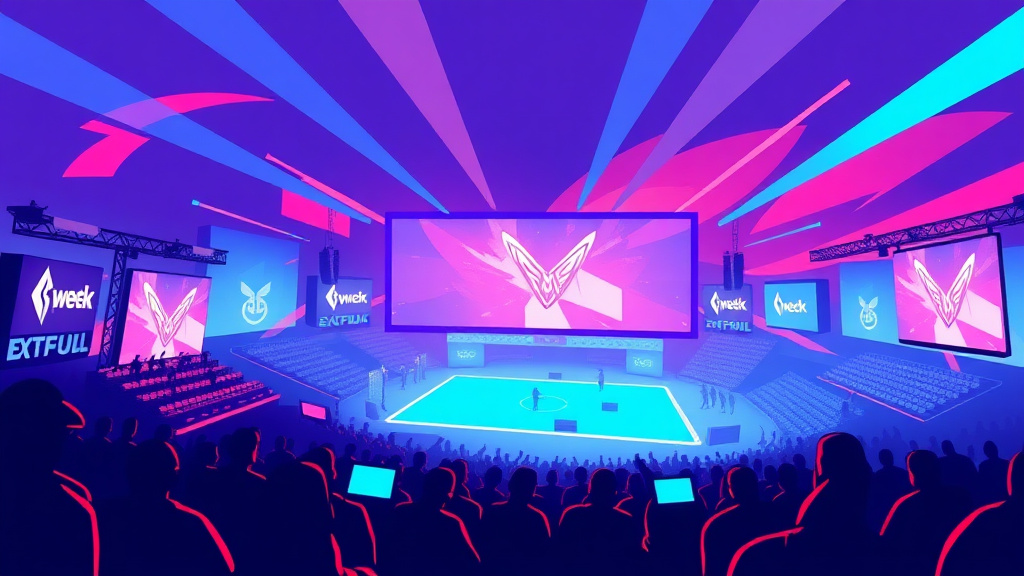
The esports industry has expanded into a major entertainment sector, and streaming platforms are locked in an fierce bidding battle for exclusive broadcast access to top-tier championships. As competitive gaming attracts millions of viewers worldwide, companies like Twitch, YouTube Gaming, and new competitors are committing substantial resources to acquire premium programming. This article explores how these platforms battle for supremacy, the financial stakes involved, and what exclusive agreements mean for fans, organizations, and the future of esports media.
The Struggle for Gaming Streaming Licenses
The race for exclusive esports broadcasting rights has turned into one of the most intensely competitive battles in online entertainment. Leading streaming services are deploying unprecedented funds to acquire top-tier content, acknowledging that exclusive tournament streams drive subscriber growth and audience participation. The stakes are extraordinarily high, with platforms recognizing that managing distribution to premier tournaments directly translates to industry leadership and advertising revenue opportunities in the swiftly developing esports ecosystem.
This intensifying competition demonstrates the essential transformation in how audiences watch gaming content. Traditional broadcasters now compete with digital-native platforms, establishing a divided market where fans must navigate various platforms to watch their favorite competitions. The ensuing competitive bidding have significantly boosted the value of media distribution rights, completely transforming the economics of esports and compelling platforms to develop improvements in presentation, interactivity, and viewer experience to validate their investments.
Market Trends and Strategic Financial Commitments
The battle over esports broadcasting rights has significantly altered the streaming landscape, with platforms committing massive budgets to secure exclusive content deals. Major championships now command multi-million-dollar contracts, reflecting the market’s tremendous development and the substantial advertising revenue these events produce. Strategic investments in premium rights have become essential competitive differentiators, as platforms understand that top-tier esports content increases subscriber numbers and engagement while cementing their position in the esports entertainment market.
Market Rivalry Grows Fiercer
Twitch maintains its dominant market standing, but encounters significant competition from YouTube Gaming and new platforms prepared to invest aggressively for exclusive distribution rights. These platforms understand that significant championship tournaments like League of Legends Worlds and The International deliver unparalleled opportunities to draw dedicated gaming audiences and grow their audience. The resulting bidding wars have significantly boosted the economic worth of esports broadcasting contracts, advantaging tournament organizers and teams while altering how audiences engage with competitive gaming material across online platforms.
Financial commitments to exclusive esports rights illustrate how deeply streaming platforms approach their market position within the wider entertainment ecosystem. Extended deals worth substantial sums of dollars signal sustained strategic commitments to leadership in esports programming. These commitments extend beyond broadcasting fees to incorporate upgraded production capabilities, engagement tools, and enhanced viewer experiences that differentiate platforms and validate premium content pricing to marketers and prospective users looking for comprehensive esports coverage.
- Exclusive rights secure multimillion-dollar yearly broadcasting contracts
- Platforms commit substantial resources in production quality and user experience
- Exclusive championship rights drives subscriber acquisition and loyalty
- Bidding wars boost tournament organizer revenue significantly
- Strategic media investments establish platform competitive advantage
Upcoming Impact on the Esports Industry
The intense competition for sole esports content rights is redefining the industry’s landscape in profound ways. As streaming platforms commit substantial capital to secure premium content, we can expect faster professionalization of esports teams and tournaments. This surge in funding will likely lead to higher player salaries, better production values, and wider worldwide access. Additionally, sole-provider arrangements may fragment the audience across multiple platforms, requiring loyal viewers to subscribe to several services simultaneously, fundamentally changing how people consume esports content.
Looking ahead, the concentration of broadcasting rights among major streaming platforms could create clear market leaders in esports entertainment. Smaller platforms may find it difficult to compete without exclusive content, possibly resulting in industry consolidation. However, this competition ultimately benefits the esports ecosystem by establishing competitive gaming as mainstream entertainment. The ongoing investment signals that esports is no longer just a niche market but a legitimate entertainment sector worthy of the equivalent financial resources and strategic importance traditionally reserved for traditional sports broadcasting.
