
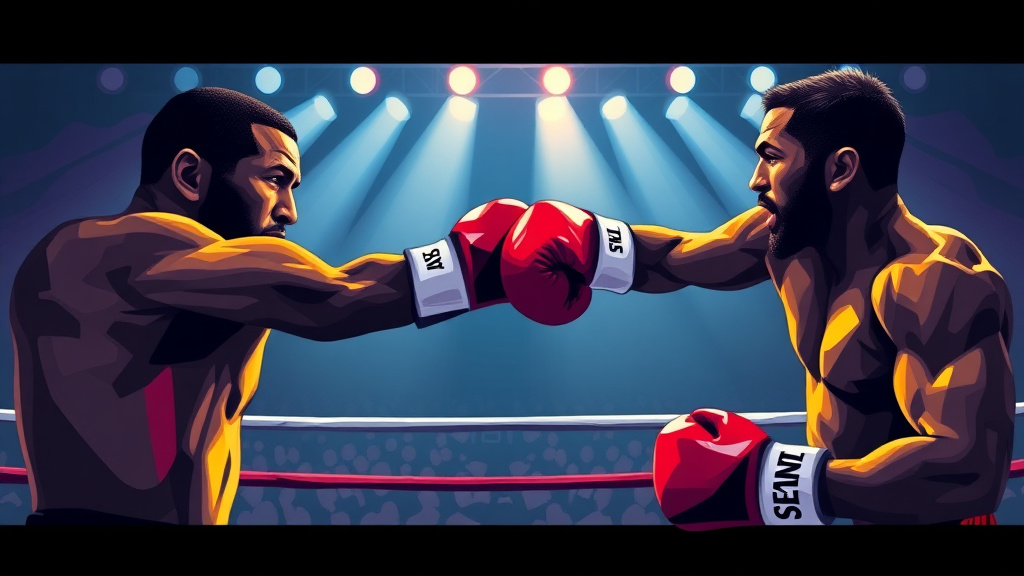
The professional heavyweight category is experiencing a dramatic shift that’s reshaping the competitive landscape. Recent surprises, planned exits, and the rise of formidable new contenders have significantly changed the rankings and standings that have remained relatively stable for years. This piece examines the pivotal changes affecting the division, analyzing how rising stars are confronting reigning titleholders, which competitors have risen or dropped in the standings, and what these shifts mean for the future of heavyweight boxing competition.
Latest Championship Advances
The heavyweight division saw a historic title fight last month that sent shockwaves through the rankings. The reigning titleholder faced an surprising contender who had rapidly climbed the standings through a series of dominant performances. The match produced a disputed outcome that has ignited considerable discussion among observers and enthusiasts. This outcome has fundamentally altered the path forward for several competitors, compelling the regulatory organizations to reconsider their ranking systems and marketing approaches moving forward.
A number of seasoned fighters have undergone notable changes in their rankings following recent fights. Two previously top-ranked fighters suffered unexpected defeats to emerging challengers, leading them to fall multiple positions in the official rankings. Conversely, a trio of rising prospects have secured notable wins that catapulted them to the highest tier of competition. These shifts demonstrate the volatile dynamics of contemporary heavyweight competition and illustrate that established rankings do not guarantee competitive advantage or championship chances in today’s dynamic environment.
Championship discussions have become increasingly complex due to these ranking shifts and the appearance of new contenders. Multiple fighters now make strong cases for title shots based on their current form and ranking standings. The division’s governing bodies face mounting pressure to clarify the criteria for championship eligibility while addressing competing interests from promoters, broadcasters, and fighters themselves. These developments suggest the heavyweight division is stepping into an age of unprecedented competitive balance and unpredictability.
Emerging Contenders and Rising Stars
The heavyweight category has experienced significant change that extends beyond the top tier, with a fresh wave of fighters demonstrating outstanding ability and determination. These rising challengers are progressively dismantling the traditional powers’ supremacy, delivering innovative techniques and extraordinary athletic capability to the sport. Their swift rise through the rankings signals a core change in competitive landscape, requiring established champions to adapt or risk obsolescence in an growing competitive landscape.
Young Professionals Making Their Mark
A surge of outstandingly gifted young heavyweights has seized the division’s attention with impressive performances against top-ranked fighters. These fighters combine modern training methodologies with classic boxing principles, creating a formidable challenge for seasoned competitors. Their victories have been dominant and impressive, garnering them swift promotions and high-profile matchups. The rate at which they’ve ascended the rankings demonstrates both their exceptional abilities and the evolving competitive landscape within elite heavyweight boxing.
What sets apart this new generation is their adaptability and versatility in the ring. Unlike previous rising stars who relied on singular strengths, these contenders possess comprehensive skill sets featuring powerful striking, precise footwork, and tactical ring awareness. Their training camps prioritize data-driven preparation and thorough opponent analysis. Many have already secured wins against fighters with undefeated records, building credibility that reverberates through the division and drawing significant media attention and sponsorship opportunities.
- Remarkable knockout power paired with technical precision
- Elite conditioning enabling impressive finishing ability
- Strategic versatility adapting to different fighting approaches
- International backgrounds bringing varied combat experience
- Strong social media presence driving fan engagement
The impact of these emerging talents extends beyond singular success, significantly reshaping championship dynamics and prompting organizational restructuring. Promoters must now evaluate multiple viable title contenders rather than banking on conventional matchups. This competitive depth has generated exceptional fan enthusiasm and increased broadcasting ratings among major networks. The division’s future hinges on how effectively these rising competitors navigate the pressure of top-tier competition and title opportunities.
Impact on Upcoming Championship Fights
The ranking upheaval will certainly alter the trajectory of forthcoming championship bouts. With fresh challengers climbing the standings, established champions face mounting pressure to defend their positions against eager competitors. The volatility now characterizes the division, making championship matchups increasingly engaging and less predictable than in previous years. Promotional organizations must thoughtfully plan their fight cards to maintain credibility while leveraging the heightened fan interest generated by these significant changes in competitive hierarchy.
Title fight planning will grow steadily complex as promoters navigate the rightful appeals of numerous elite competitors. The emergence of varied combat approaches among up-and-coming fighters presents new competitive obstacles for reigning titleholders familiar with facing known rivals. Mandatory challenger requirements and sanctioning authority guidelines will require decision-makers to reconcile financial viability with sporting integrity. This intricacy creates opportunities for exciting matchups that could shape the division’s enduring significance for years ahead.
Long-term divisional consistency depends on how current champions handle these challenges. Fighters who modify tactics and maintain peak performance will cement their legacies, while those who falter risk sharp drop through the rankings. The division’s future delivers compelling narratives as established powers clash with rising contenders. This resurgence of competition ultimately strengthens heavyweight boxing, drawing worldwide viewers and ensuring the division remains the sport’s premier and most-watched weight class.
